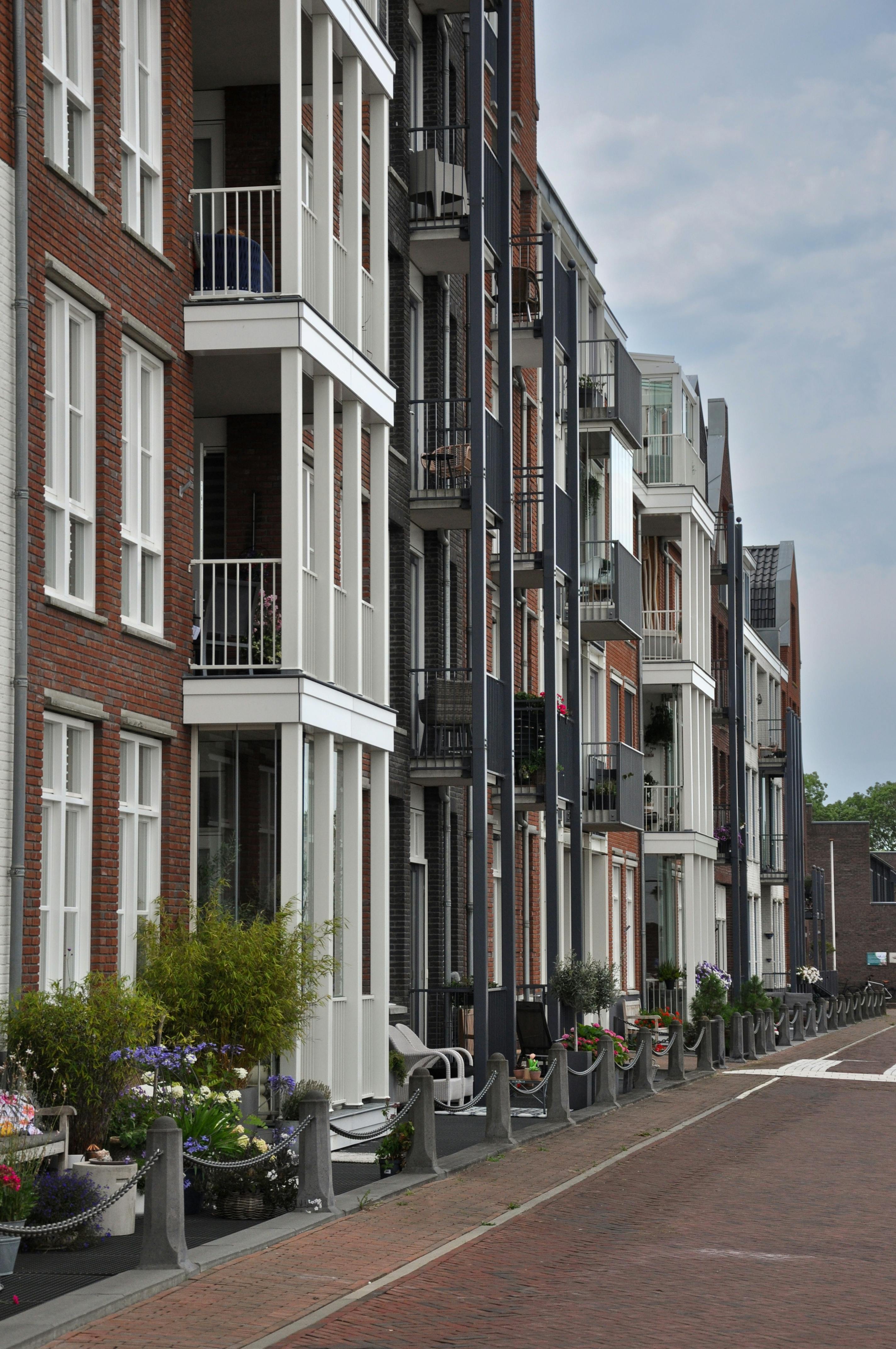
February 2026 data reflects a slow-motion recovery. While sales rose 36.2% month-over-month, they remain 38% below the 10-year average. With total inventory 51% above seasonal norms and benchmark prices for townhomes ($770,700) and apartments ($488,300) continuing an 11-month slide, the environment favors "hold" strategies or highly targeted, "at-market" entry-level product.
Market Update
The Fraser Valley development landscape is navigating a period of significant inventory absorption. As of late February 2026, the region is grappling with over 8,300 active listings, creating a "crowded shelf" for new product. For developers, the "seasonal thaw" in sales is a welcome sign of life, but the macroeconomic backdrop—characterized by 45-day average absorption periods for condos and 10th-month consecutive price drops—suggests that the market is not yet ready for aggressive premium pricing. The focus for the spring 2026 season must shift from "speculative growth" to "velocity through value."
To determine the viability of upcoming multifamily phases or new project launches, developers should consider the following segment-specific data and strategic implications:
Multifamily Market Indicators
Metric | Townhomes | Apartments/Condos | Developer Implications |
Benchmark Price | $770,700 (▼ 7.1% YoY) | $488,300 (▼ 8.9% YoY) | Downward pressure on pro forma revenue. |
Days on Market | 39 Days | 45 Days | Longer carry costs must be budgeted. |
Sales Growth | ↑ 36.2% (MoM) | ↑ 36.2% (MoM) | Seasonal demand is returning, but slow. |
Market State | Buyer's Market | Buyer's Market | High competition from resale inventory. |
Strategic Recommendations for Developers
Inventory vs. Absorption: With a 10% sales-to-active ratio, the "Buyer's Market" designation is firm. Developers should avoid large-scale standing inventory. Consider smaller phase releases to test price elasticity without overexposing the balance sheet to high carry costs.
The "Affordability Floor": Apartment prices have seen the steepest year-over-year decline (8.9%). While this hurts margins, it aligns with the return of "first-time buyer" demand. Projects priced near or below the $488,300 benchmark are seeing the highest relative velocity.
Focus on Townhome Resilience: Townhomes remain the "stickiest" asset class, with the shortest days-on-market (39 days). This remains the preferred "missing middle" product for families priced out of detached homes ($1.37M). Developments featuring 3-bedroom configurations under $800k are currently the "sweet spot" for absorption.
Incentive Programs: Given that resale sellers are beginning to cut prices (the composite price fell another 0.2% in February), developers should consider "buy-down" mortgage rate programs or decoration credits to compete with the high volume of "ready-to-move" resale stock.
Future Outlook: The Spring Litmus Test
The decline in new listings (down 9.2% in February) suggests that some resale competitors are hesitating. This "listings gap" provides a narrow window for developers to capture the attention of early spring buyers. However, unless the sales-to-active ratio climbs toward the 12–15% "Balanced Market" threshold, pricing power will remain firmly with the purchaser.